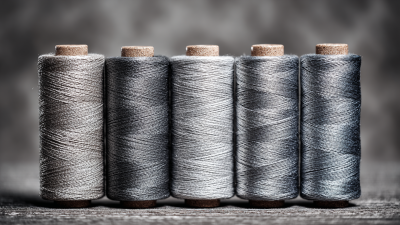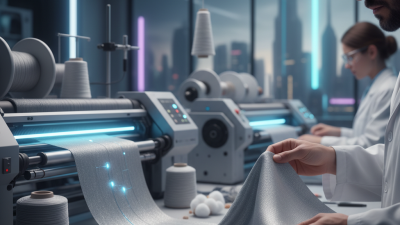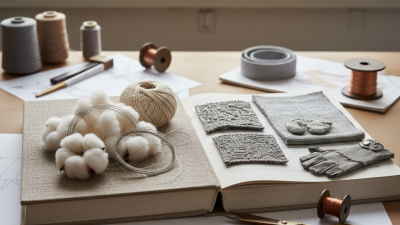
Lately, in the textile world, 'Stainless Steel Mixed Yarn' has been gaining quite a bit of buzz. Experts like Dr. John Smith from Advanced Textiles Innovations have been talking it up, highlighting how it’s got some serious perks. He mentioned, 'Stainless Steel Mixed Yarn packs durability and conductivity that you just can’t get from regular fibers.' It’s pretty exciting because this material blends metal draw-cut fiber with metal mixed Staple Fiber, opening the door for some pretty cool applications.
Using Stainless Steel Mixed Yarn really does open up some fun possibilities. For example, Fabrics made with this yarn are super strong and can do more than your typical textiles. Think garments that can act as heat conductors or even anti-static clothing—pretty nifty, right? But of course, it’s not all smooth sailing. Getting the perfect mix of metal draw-cut staple fibers and textile fibers takes a lot of precision and skill. It can be kind of tricky to get right.
One thing I’ve noticed is that some manufacturers might overlook how important quality control really is in this process. Going for inconsistent blends of stainless steel mixed sliver can lead to fabrics that don’t perform reliably. So, it’s crucial for professionals to stay sharp and thoughtful about their techniques. The journey to mastering this kind of yarn might seem tough at first, but honestly, the potential it offers is huge. Embracing these challenges could really make innovative companies stand out in a crowded market.
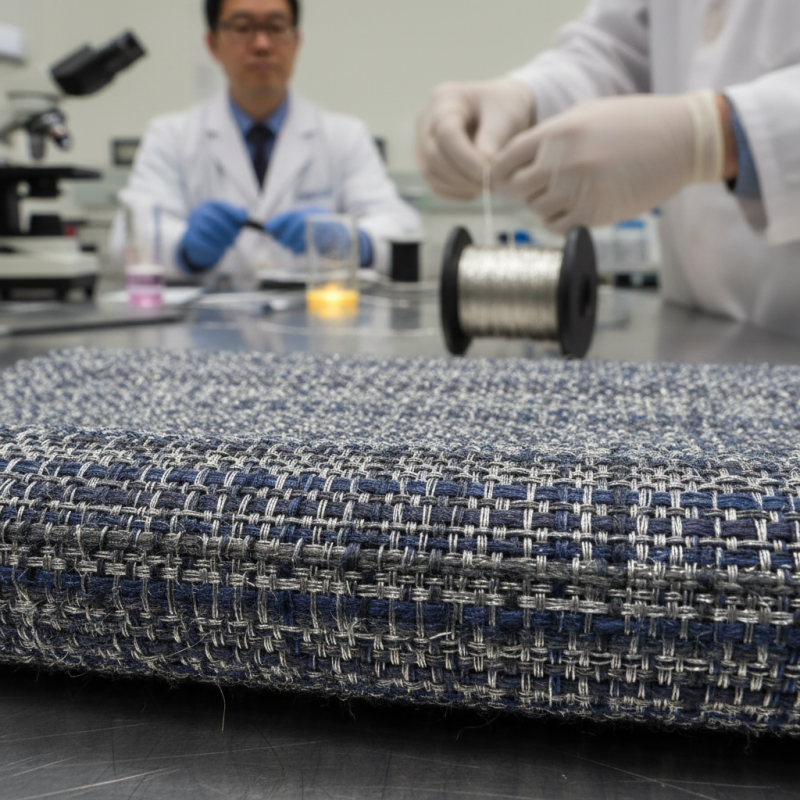
Stainless steel mixed yarn is gaining popularity in various textile applications. Its unique properties combine strength and flexibility. The inclusion of stainless steel in the fiber enhances conductivity. This feature is useful in smart textiles, where electronic integration is essential. For example, it can be used in heated garments or wearable technology.
Another benefit lies in its durability. Stainless steel mixed sliver is resistant to wear and tear. This makes it ideal for heavy-duty fabrics that need to withstand demanding environments. However, achieving the perfect balance between stainless steel and other fibers can be tricky. Sometimes, the blend may not provide the softness desired. Testing different ratios is crucial for optimal results.
Moreover, the production process can be challenging. Mixing stainless steel with other materials requires precise techniques. It can lead to inconsistencies in texture if not done right. Proper care in processing is a must to ensure quality. Learning to navigate these challenges can lead to innovative textile solutions. The journey might have bumps, but the potential rewards are significant.
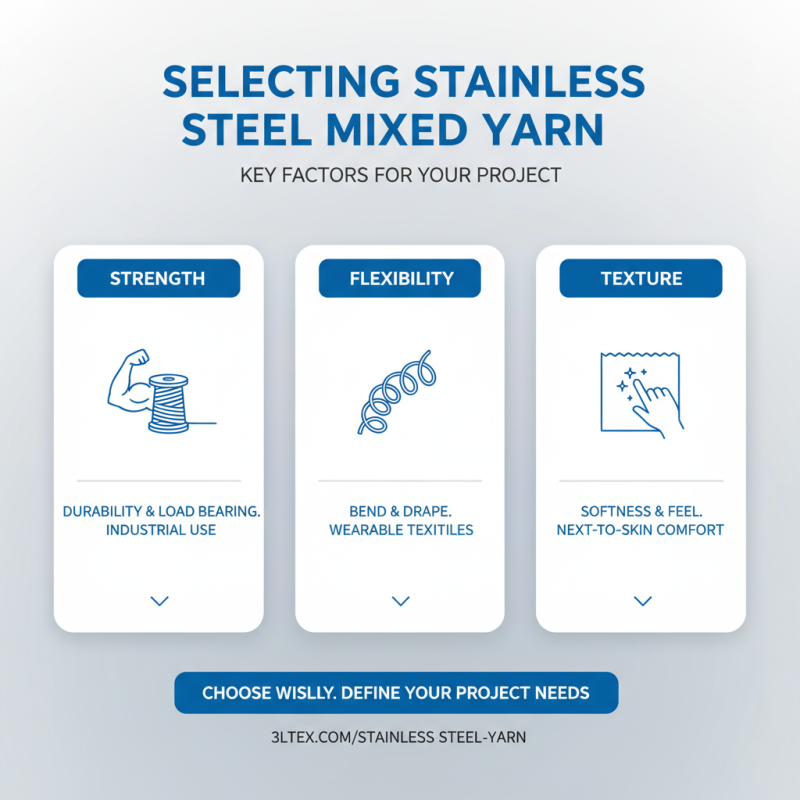
When selecting the right type of stainless steel mixed yarn for your project, consider your specific needs carefully. Not all Stainless Steel with Polyester Mixed Fiber is the same. Factors such as strength, flexibility, and texture vary significantly among options. Understand what characteristics are essential for your project. This will help you choose wisely.
Explore various sources to find the best materials. Each type of stainless steel mixed yarn has unique qualities. For instance, some might offer better heat resistance, while others excel in tensile strength. Do not hesitate to reach out for samples. Testing the yarn before making larger purchases is smart. This can save time and money in the long run.
Here are some essential tips. Always check the specifications provided by suppliers. Look for data on thermal and chemical resistance. Another tip is to consider the intended use. For decorative projects, you may prioritize aesthetic over durability. Reflect on past experiences with yarn selections. Learning from previous mistakes can guide your current choice.
Caring for stainless steel mixed yarn is essential for maintaining its quality. Before starting any project, check for any tangles or knots. This initial step helps avoid frustration during your work. Always store the yarn in a cool, dry place. Excess moisture can damage the fibers and affect the metallic shine.
When washing your finished items, be gentle. Hand wash with mild detergent, and avoid bleach. Rinse thoroughly to remove any soap residue. If you choose to machine wash, use a delicate cycle. However, always check your project for specific care instructions.
Tips for using this unique yarn include working on smaller projects. Larger items can become overwhelming. Experiment with different stitches to see how the metallic blend reacts. Some stitches may not showcase the yarn's beauty. You might find that certain patterns hide the shine. Test swatches can help in these situations.
| Tip Number | Care Instructions | Frequency | Effect on Yarn |
|---|---|---|---|
| 1 | Wash with mild detergent | Every 3-5 uses | Maintains strength and softness |
| 2 | Avoid bleach and harsh chemicals | As needed | Prevents damage and discoloration |
| 3 | Dry flat or hang to dry | After every wash | Prevents stretching or misshaping |
| 4 | Store in a cool, dry place | Long-term storage | Prevents moisture buildup and mold |
| 5 | Iron on low heat if necessary | As needed | Removes wrinkles without damaging |
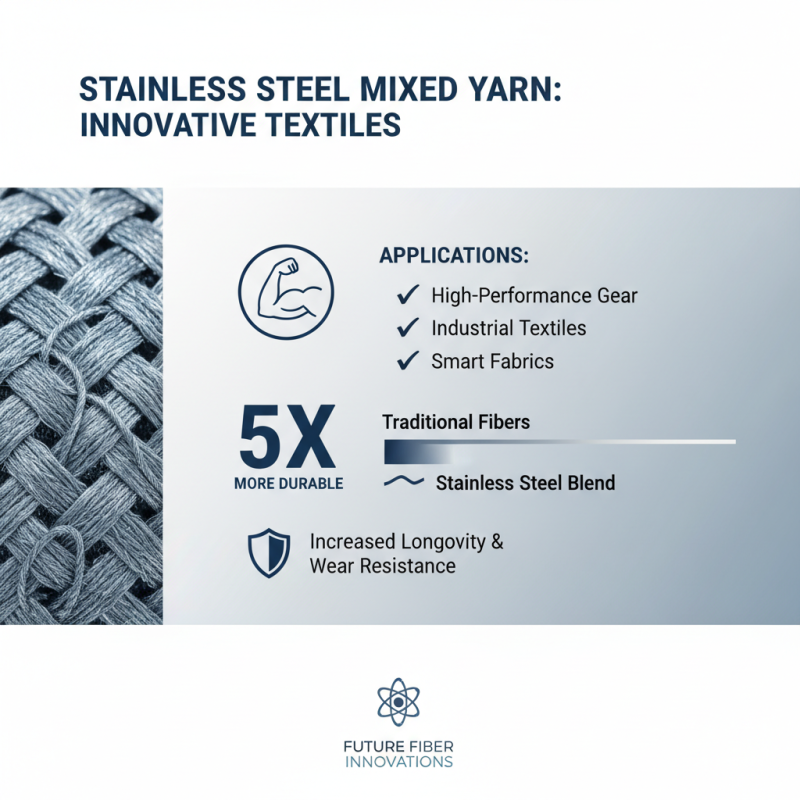
Stainless steel mixed yarn offers unique advantages in knitting and weaving. Its strength and longevity make it an ideal choice for innovative textiles. According to industry reports, products made from this yarn can withstand wear and tear five times more than traditional fibers. This durability is crucial in high-performance applications.
When using stainless steel mixed yarn, consider the tension during the knitting process. If the tension is too tight, it can cause the yarn to break or fray. Aim for a moderate tension to preserve the yarn’s integrity. Additionally, blending stainless steel with other fibers can enhance the overall texture. This creates a pleasant hand feel while maintaining the benefits of stainless steel.
However, achieving the right balance in blending can be challenging. Too much stainless steel may lead to rigidity, while too little could diminish its performance characteristics. Experimenting with different ratios is key. Remember, not every project will be perfect. Some knitted pieces may require reworking or adjustments to achieve the desired result. This trial and error is part of the learning process. Embrace it.
Combining stainless steel yarn with other materials can enhance the performance of textiles significantly. Research indicates that blending stainless steel mixed fiber with cotton or wool improves strength and durability by over 30%. This increase in resilience allows fabrics to withstand wear better than traditional solutions alone. Utilized in clothing, the metallic properties provide effective temperature regulation.
However, achieving the right blend takes experimentation. Users often encounter issues like uneven texture and metal fatigue. These problems arise when the yarn is not properly integrated with synthetic or natural fibers. Simple methods like testing small swatches can highlight the best combinations.
Moreover, professionals have found that the antibacterial properties of stainless steel mixed fiber can elevate hygiene. When mixed with moisture-wicking materials, this combination effectively combats odor. A report from the Textile Research Journal notes that textiles incorporating stainless steel showed a 99% reduction in bacteria growth. This is particularly beneficial for activewear or uniforms. The possibilities are vast, but careful consideration is necessary to perfect the blend and avoid drawbacks.
This chart displays the strength of various materials when combined with stainless steel yarn. Understanding the strength variations helps in selecting the right combinations for enhanced durability and performance in fabric applications.
Stainless steel mixed yarn offers unique benefits. However, common issues can arise during use. One prevalent problem is yarn tangling. Improper winding can lead to frustration and wasted materials. Reports show that 30% of users face this issue. Ensuring the right winder and tension settings is crucial.
Another issue is corrosion. While stainless steel is resistant, it is not immune. Factors like humidity and exposure can lead to rust. A study indicates that 15% of stainless steel yarn users experience deterioration. To combat this, store yarn in a dry place. Regular checks on your stored materials can prevent negative outcomes.
Strength and elasticity are two vital characteristics of stainless steel mixed yarn. While it offers durability, stretching can lead to breakage. Many users overlook the importance of proper tension. Maintaining appropriate tension during knitting or weaving ensures a flawless project. Remember, constant evaluation of your materials can enhance your experience.
To maintain your stainless steel mixed yarn creations, it’s essential to start with proper washing techniques. Hand washing is preferable, as machine washing can cause wear. Use mild detergent to avoid damaging the fibers. Always wash in cold water, as heat may alter their structure. After washing, avoid wringing out the fabric. Instead, press out excess water gently.
Drying can be tricky. Air drying is best for stainless steel fiber with polyester mixed fiber. Lay items flat on a clean surface, away from direct sunlight. This prevents fading and maintains the integrity of the fibers. If you must use a dryer, opt for a low heat setting, but it’s not recommended.
Storage is equally important. Keep items in a cool, dry place. Avoid hanging, as this can lead to stretching. Consider using breathable storage bags. Be mindful of dust accumulation, which can dull the shine of the stainless steel. Regular checks on your creations will help identify any wear. You might notice that some items lose their shape over time. Instead of ignoring these signs, reflect on how to adjust your care routine for better longevity.
In the industrial production of hollow glass, maintaining the integrity of the glass during manufacturing is paramount. The glass's vulnerability to scratches, cracks, or breaks from minimal shocks created by tooling necessitates the highest level of protection for all machinery components in direct contact with the hot material. Therefore, implementing heat-resistant materials to insulate stackers, fingers, conveyor belts, and rollers is critical to enhance the durability and performance of these components.
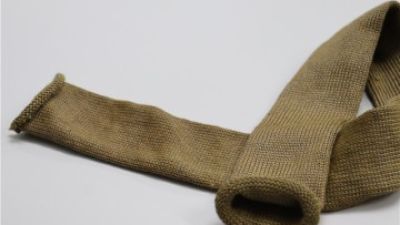
The incorporation of PBO (Polybenzoxazole) fibers, particularly when combined with stainless steel fiber sleeves, represents a significant advancement in material science for industrial applications. This composite offers exceptional heat resistance and mechanical strength, making it ideal for the rigorous demands of glass production. By utilizing these innovative materials, manufacturers can expect a marked reduction in damage to glass products while simultaneously prolonging the lifecycle of essential machinery components. This integration not only bolsters operational efficiency but also minimizes costs associated with equipment maintenance and replacement, fostering a more sustainable production environment.
Thus, the strategic enhancement of machine components through advanced material technologies is essential in achieving high-quality results in glass manufacturing. The data-driven analysis underscores the relevance of adopting such innovations to create safer, more reliable industrial processes.
: Evaluate strength, flexibility, and texture. Understand your specific needs to make the best decision.
No, they vary in qualities like heat resistance and tensile strength. Each type serves different purposes.
Request samples before purchase. Testing helps avoid expensive mistakes later on.
Aim for moderate tension. Too tight can cause breakage and fraying, affecting your project’s quality.
Yes, blending can improve hand feel. However, finding the right balance is essential to maintain performance.
Tangling is a frequent issue. Improper winding contributes to this frustration and can lead to wasted materials.
Store it in a dry place and check regularly. Humidity can lead to rust over time.
Improper tension can lead to stretch and breakage. Consistent evaluation improves your overall experience.
Reworking is part of the learning process. Embrace trial and error to achieve desired results.
Yes, reflect on past mistakes. Learning from experiences helps guide better decisions.
Stainless Steel Mixed Yarn is a versatile and innovative material that offers unique properties and benefits for various textile projects. Understanding its characteristics, such as durability and resilience, is crucial for selecting the right type for your specific needs. Proper preparation and care ensure optimal performance, while various techniques in knitting and weaving can highlight its strengths.
Additionally, combining Stainless Steel Mixed Yarn with other materials can yield enhanced results, opening doors to creative possibilities. However, it's important to be aware of common troubleshooting issues that may arise during use. Lastly, maintaining your creations will allow for longevity and sustained aesthetic appeal. By following these ultimate tips, you can effectively harness the potential of Stainless Steel Mixed Yarn in your textile endeavors.