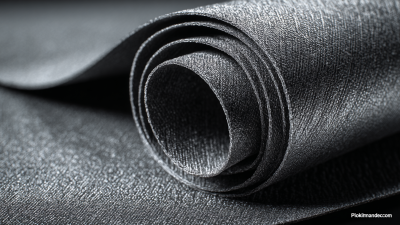
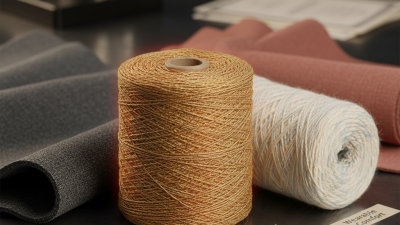
Hey there! So, in the ever-changing world of textiles, 'Metal Fiber Non Woven Fabric' is really gaining momentum across different industries. Its unique features—like conductivity, durability, and flexibility—make it super useful for a bunch of applications. Industry insiders are actually predicting that demand for these metal fiber solutions is going to skyrocket, especially as technology keeps advancing and people are becoming more aware of sustainable materials. According to the Textile Institute, the market for non-woven Fabrics, including those with metal fibers, could hit a hefty $69.4 billion by 2026. Impressive, right?
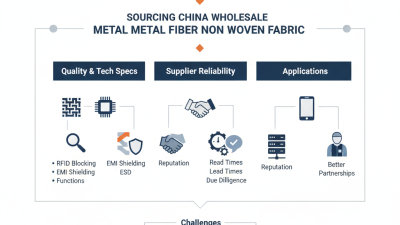
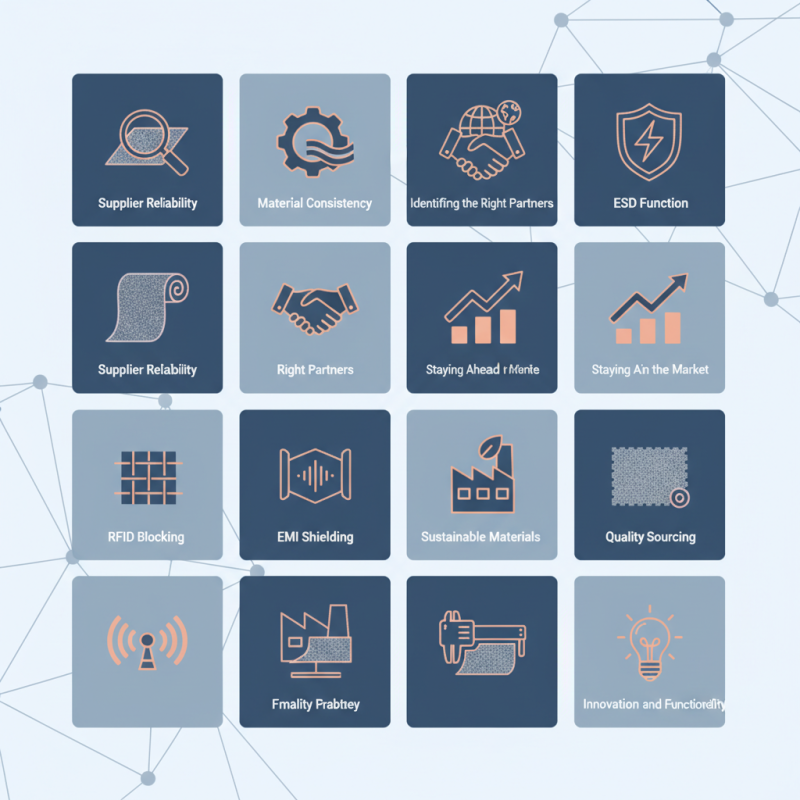
Dr. Emily Johnson, who's pretty much a leading authority on advanced textile materials, highlights just how important it is to get quality sourcing right: “High-quality Metal Fiber Non Woven Fabric isn’t just a material—it's a real solution that combines innovation with function.” This stuff isn’t just limited to the basics anymore; it offers cool features like RFID blocking, ESD (electrostatic discharge) protection, and EMI shielding, which are huge pluses in today’s tech-driven world.
Of course, sourcing this kind of fabric isn’t always a walk in the park. You’ve got to be careful about supplier reliability and making sure the materials are consistent. Picking the right partners can really make a difference in how your products turn out. Businesses need to stay sharp and flexible if they want to keep up and stay ahead of the competition. So, understanding all the little details involved in sourcing this innovative fabric is definitely key to succeeding in this space.
Understanding Metal Fiber Non Woven Fabric and Its Applications
Metal fiber non woven fabric has become increasingly significant in various industries due to its unique properties. This fabric is engineered to provide excellent thermal and electrical conductivity. Additionally, it offers resistance to high temperatures and abrasion, making it suitable for automotive, aerospace, and filtration applications. A recent report by MarketsandMarkets projected the global market for metal fiber non woven fabric to reach $2.1 billion by 2025, underscoring its growing demand.
Understanding the manufacturing process is crucial for sourcing quality metal fiber non woven fabric. It often involves a blend of metals, such as stainless steel and aluminum, fused into a non woven matrix. This complexity can lead to quality inconsistencies if not monitored closely. Data indicates that improper sourcing can result in up to a 15% increase in production costs. Therefore, manufacturers need to evaluate potential suppliers carefully. Exploring alternatives like Spunbond Non Woven Fabric Wholesa and Custom Spunlace Non-Woven Fabric can offer additional options for product development while ensuring quality standards.
Applications of this fabric stretch beyond traditional uses. In filtration, for example, metal fiber non woven fabric can filter out fine particles, often outperforming synthetic options. However, the environmental impact of production should also be analyzed. The assessment may show a notable carbon footprint associated with metal production. Striking a balance between performance, cost, and sustainability remains a challenge for manufacturers in this rapidly evolving sector.
10 Essential Tips for Sourcing Metal Fiber Non Woven Fabric
| Tip No. | Tip Description | Application Area | Key Benefits |
| 1 | Understand the different types of metal fibers available. | Electronics, Automotive | Improved conductivity and performance. |
| 2 | Evaluate the quality of the fabric material. | Textiles, Filtration | Durability and reliability in use. |
| 3 | Determine the appropriate thickness and density. | Energy, Aerospace | Optimal performance for specific applications. |
| 4 | Research suppliers and manufacturers. | General Manufacturing | Cost-effective sourcing solutions. |
| 5 | Assess compliance with industry standards. | Healthcare, Aerospace | Safety and regulatory adherence. |
| 6 | Check for custom solutions based on needs. | Automotive, Thermal insulation | Tailored functionality for specific applications. |
| 7 | Compare pricing and volume discounts. | Wholesale Distribution | Cost savings for bulk orders. |
| 8 | Consider lead times and delivery reliability. | Production Planning | Timely project completion. |
| 9 | Seek samples to evaluate performance. | Research and Development | Informed decision-making. |
| 10 | Establish a long-term partnership with suppliers. | Various Industries | Sustained quality and reliability. |
Identifying Key Suppliers for Metal Fiber Non Woven Fabrics
Finding reliable suppliers for metal fiber non woven fabrics can be challenging. The demand for these materials is projected to grow by 4.7% annually, driven by industrial applications and the increasing need for advanced filtration products. It's crucial to identify suppliers with a solid track record in quality and innovation.
Investigating the supplier’s production methods is essential. Suppliers should demonstrate expertise in fiber technology and be capable of producing consistent quality. Look for those employing advanced machinery that ensures uniformity in their textiles. Smaller suppliers may lack the resources for large-scale production, which can affect lead times and reliability. For instance, newer companies might not have sufficient standards in place, which can lead to quality inconsistencies in metal fiber non woven materials.
Additionally, consider the supplier’s certifications and compliance with industry standards. Researching reports from credible sources, such as the Global Nonwovens Market Report, can provide insights into supplier reputations. Focus on those who adhere to environmental regulations and safety standards. Ask for samples, especially of products like Anti Static and Anti Pull PP Spunbond Non Woven Fabric SMS Non Woven Fabric in Hospital settings. This will allow you to evaluate the quality firsthand before placing larger orders. Ignoring this step may lead to procurement issues and unmet quality requirements.
10 Essential Tips for Sourcing Metal Fiber Non Woven Fabric
This bar chart illustrates the quality ratings of various suppliers for metal fiber non woven fabrics. A higher rating indicates better quality, which is essential for making informed sourcing decisions.
Evaluating Quality Standards and Certifications in Metal Fiber Fabrics
Evaluating quality standards in metal fiber fabrics is critical for ensuring performance and safety. Assessing certifications can provide valuable insights into the material’s reliability. According to a recent market report by Smithers Pira, the demand for advanced non-woven textiles, including metal fiber variants, is expected to grow at a CAGR of 7.3% from 2021 to 2026.
Quality certifications, like ISO 9001, indicate a manufacturer’s commitment to meeting international standards. Fabrics with these certifications often showcase enhanced durability and compliance with stringent industry requirements. However, not all manufacturers may pursue such certifications, leading to variability in product quality. This could impact the end-use applications, especially in sensitive environments where performance is paramount.
When sourcing metal fiber non-woven fabric, buyers should request test results for parameters such as conductivity and tensile strength. It’s also useful to ask about the manufacturing process. Some methods may impact the fabric’s antistatic properties or waterproof capabilities. Additional standards, like ASTM D4491 for filtration, might also be relevant, especially for applications requiring Disposable Non-Woven Fabric Antistatic Waterproof Laminated Spunbonded Non Woven Fabric. Understanding these nuances can significantly affect material selection and application success.
Assessing Cost Factors for Sourcing Metal Fiber Non Woven Fabrics
When sourcing metal fiber non woven fabrics, understanding cost factors is crucial. The raw materials play a significant role in overall pricing. Metal fibers, often made from stainless steel or copper, can vary in price due to fluctuating market conditions. According to recent industry analyses, the cost of stainless steel has risen by 15% in the past year. This impacts sourcing strategies directly.
Labor costs are another critical element. Production processes for non woven fabrics require skilled labor, which can increase expenses. A 2022 report by the Global Textile Association noted that labor costs in textile manufacturing have increased by approximately 8% globally. It’s essential to evaluate potential suppliers' labor practices and associated costs before committing to contracts.
Logistics and shipping also add to the final cost. Rising fuel prices can lead to increased transportation expenses, affecting overall sourcing budgets. A considerable percentage of sourcing managers overlook these costs, impacting their profitability. Understanding these factors is vital for informed decision-making. Suppliers with transparent pricing structures can offer a competitive edge but may be harder to find. It's important to prioritize thorough research when identifying suppliers in this specialized market.
Exploring Sustainable Sourcing Practices for Metal Fiber Fabrics
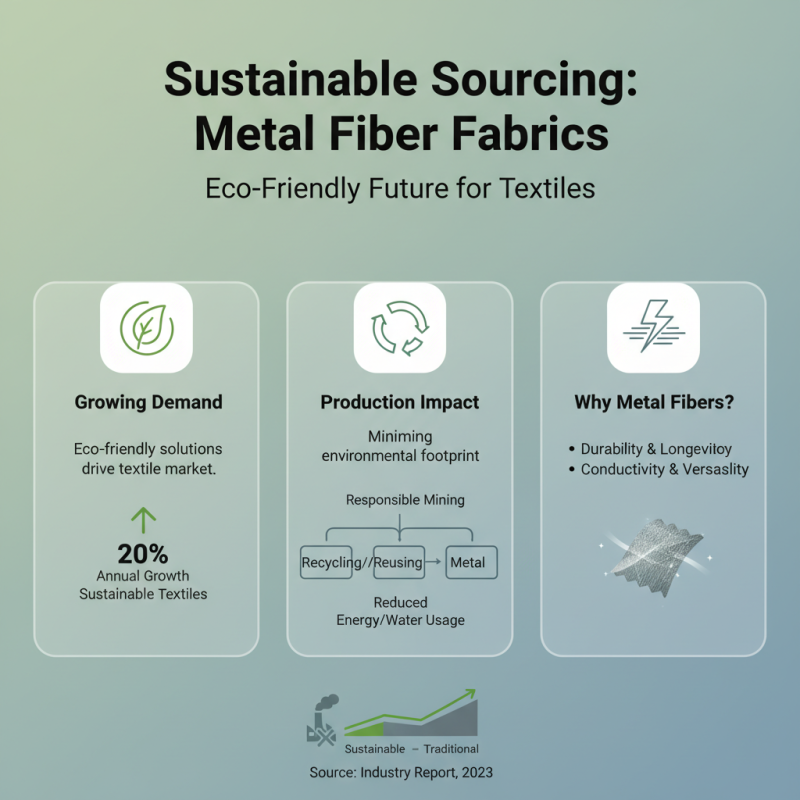
Sustainable sourcing practices for metal fiber fabrics are gaining traction in the textile industry. With the rising demand for eco-friendly solutions, sustainable sourcing can significantly impact the production chain. In fact, a recent industry report indicates that sustainable textiles are expected to grow by 20% annually. Brands are leaning towards using materials that minimize environmental impact. Metal fibers offer unique properties, including durability and conductivity, making them valuable in various applications.
While metal fiber non-woven fabrics are crucial, sourcing them sustainably remains a challenge. Transparency in sourcing is vital. Many suppliers lack traceability in their manufacturing processes. A 2022 survey found that only 30% of companies could prove the sustainable origins of their materials. This raises concerns about potential greenwashing in the market. Collaboration and trust among manufacturers, suppliers, and customers can improve sourcing practices.
In addition, there is a growing interest in comparative pricing, such as the "Viscose Spunlace Non-Woven Non Woven Fabric Price Baby Diaper Parallel" variations. These alternatives often highlight the balance between cost and sustainability. Consumers are increasingly aware of the impact of their choices. Making informed decisions can lead to more responsible sourcing in the metal fiber sector. The industry must continuously reflect on these practices to promote responsible growth.
Negotiating Contracts and Terms with Suppliers of Metal Fiber Fabrics
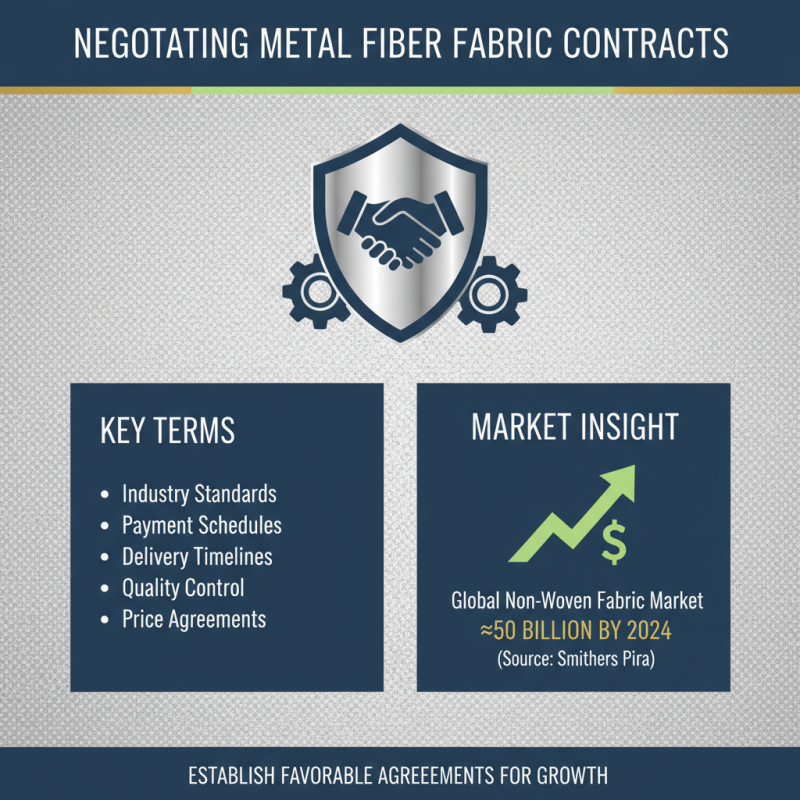
When negotiating contracts with suppliers of metal fiber non-woven fabrics, it is crucial to focus on terms that align with industry standards. Recent market analysis indicates that the global non-woven fabric market will reach approximately $50 billion by 2024, according to Smithers Pira. This growth emphasizes the importance of establishing favorable agreements.
Be clear about your quality requirements. Specify the desired tensile strength, thickness, and thermal resistance. Many suppliers can provide data sheets, but samples may be necessary for verification. Trust but verify. A recent report from MarketsandMarkets shows that nearly 65% of buyers often face discrepancies between the provided specifications and the delivered products. Taking time for quality checks can save costs and headaches in the long run.
Payment terms are another critical aspect. It is common for suppliers to request partial upfront payments. However, industry best practices suggest negotiating payment schedules tied to delivery milestones. This method ensures that expectations are met at each stage. Additionally, transparency in pricing is vital. Ensure there are no hidden costs that may impact your bottom line. Reflecting on these points mindful of potential challenges will guide you through effective negotiations.
Monitoring Trends and Innovations in Metal Fiber Non Woven Fabric Industry
In the rapidly evolving metal fiber non-woven fabric industry, staying updated with the latest trends is crucial. Innovations are shaping how manufacturers produce and utilize these materials. Research shows that incorporating advanced technology can greatly improve fabric durability and performance. For example, recent developments in weaving techniques allow for finer metal fibers. This change enhances the fabric's flexibility and strength.
Another trend worth noting is sustainability. More companies are focusing on eco-friendly production methods. Using recycled metal fibers not only reduces waste but also meets the growing consumer demand for sustainable products. These shifts raise important questions about balancing traditional manufacturing with new, cleaner alternatives. While there is excitement around these innovations, challenges remain, such as costs and scalability.
Industry professionals must also keep an eye on regulatory changes impacting material sourcing. New standards can introduce complexity in procurement. Monitoring these developments can provide insights into market dynamics. It’s essential to engage with experts in the field to navigate these shifts effectively. This ongoing dialogue can foster a deeper understanding of potential risks and opportunities in sourcing metal fiber non-woven fabric.
Conclusion
Metal Fiber Non Woven Fabric is a versatile material that finds applications across various industries, thanks to its unique properties. Understanding its characteristics and applications is fundamental when sourcing, as it can significantly impact product quality and performance. Key suppliers in this niche market must be identified and assessed for their ability to meet quality standards and certifications, ensuring that the sourced materials are fit for production.
Cost factors are also crucial when sourcing Metal Fiber Non Woven Fabric, as they can vary widely based on supplier pricing and market demand. It is equally important to explore sustainable sourcing practices to minimize environmental impact. Effective negotiation of contracts and terms with suppliers can lead to better pricing and service agreements. Lastly, staying abreast of trends and innovations in the Metal Fiber Non Woven Fabric industry can provide competitive advantages, ensuring that sourcing strategies align with the latest advancements.